As mobile devices become indispensable tools in modern workflows, the stakes for securing these endpoints rise exponentially. Data breaches, compliance violations, and operational disruptions stemming from unsecured mobile environments are becoming increasingly common and can no longer be viewed as mere possibilities, but critical threats to organizational success.
Mobile security compliance isn’t just a checkbox exercise; it’s the foundation for trust, resilience, and operational excellence in the digital era. In this blog post, we delve into the intricacies of mobile security compliance — from the inherent risks and best practices to the frameworks that guide organizations toward a secure mobile-first future.
What is Mobile Security Compliance?
Mobile security compliance refers to the policies, practices, and frameworks organizations implement to ensure that mobile devices and the data they access are secure and adhere to relevant laws, regulations, and standards. These measures aim to protect sensitive information from threats while maintaining operational efficiency and legal accountability.
Compliance requirements can vary widely based on industry and geography. For example:
- Healthcare organizations must comply with the Health Insurance Portability and Accountability Act (HIPAA), ensuring mobile devices handle patient data securely.
- Government agencies follow strict standards such as the Federal Information Security Management Act (FISMA).
- Defence organizations need to comply with new security best practice mandates.
In essence, mobile security compliance is a cornerstone for ensuring mobile data protection and maintaining trust among stakeholders.
Common Mobile Security Compliance Risks
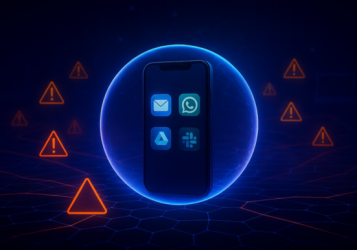
Despite advances in security technology, mobile device security risks remain a significant concern. Some of the most prevalent risks include:
1. Unsecured Devices
Mobile devices are often lost or stolen, exposing sensitive data to unauthorized access. Without encryption and remote wipe capabilities, compromised devices can become a gateway for data breaches.
2. Unsecured Networks
Connecting to public Wi-Fi or other untrusted networks can expose devices to attacks like man-in-the-middle (MITM), where cybercriminals intercept data in transit.
3. Malicious Apps
Downloading apps from untrusted sources can introduce malware designed to steal data or compromise system integrity. Even legitimate app stores may host apps with hidden vulnerabilities.
4. Lack of Regular Updates
Outdated software and operating systems are prone to vulnerabilities. Failure to patch these vulnerabilities can result in exploitation by hackers.
5. Insider Threats
Employees or contractors with malicious intent or poor cybersecurity practices can unintentionally or deliberately compromise mobile security.
6. Inadequate Access Controls
Allowing excessive or unchecked access to sensitive systems and data can lead to unauthorized use or breaches.
Understanding these risks is the first step toward implementing robust mobile data protection measures.
Best Practices for Achieving Mobile Security Compliance
Adhering to compliance best practices ensures that organizations protect sensitive data and remain compliant with relevant standards. Here are key strategies to achieve mobile security compliance:
1. Establish a Comprehensive Mobile Security Policy
A well-documented mobile security policy should outline acceptable device use, data handling protocols, and security requirements. This policy must address:
- Guidelines for personal and corporate device use.
- Minimum security standards for devices, such as encryption and password protection.
- Rules for accessing sensitive data remotely. Ensure this policy is regularly updated to reflect evolving risks and compliance standards, and communicate it clearly to all employees.
2. Implement Robust Mobile Device Management (MDM)
MDM platforms are vital for enforcing security policies across a diverse device ecosystem. Advanced MDM solutions enable organizations to:
- Automate the enforcement of security configurations.
- Monitor device compliance with real-time insights.
- Restrict unauthorized applications and data sharing.
- Securely separate corporate and personal data on employee devices.
3. Encrypt All Data
Encryption is the backbone of mobile data protection. Employ end-to-end encryption for:
- Data stored on devices, ensuring it remains secure even if the device is compromised.
- Data in transit, protecting it from interception during transmission over unsecured networks.
4. Conduct Continuous Risk Assessments and Security Audits
Periodic risk assessments allow organizations to identify vulnerabilities and prioritize remediation. Complement these with regular security audits to:
- Validate compliance with industry standards.
- Ensure that all devices and applications are up-to-date.
- Uncover potential gaps in security protocols. Use audit findings to enhance your mobile security strategy continually.
5. Foster a Culture of Cybersecurity Awareness
Employee negligence remains a major factor in security breaches. Build a culture of vigilance through:
- Regular training on phishing scams, secure password practices, and identifying suspicious activity.
- Simulated security drills to prepare employees for potential incidents.
- Clear communication channels for reporting security concerns.
6. Adopt Multi-Factor Authentication (MFA)
MFA significantly strengthens user authentication by requiring at least two forms of verification—something the user knows (password), has (security token), or is (biometric data). Enable MFA for:
- Access to sensitive corporate applications.
- Remote access to the corporate network.
7. Monitor and Respond to Threats in Real Time
Deploy security tools capable of real-time threat detection and response, such as:
- Intrusion detection systems that flag unauthorized access attempts.
- Behavioral analytics to identify unusual activity patterns.
- Automated incident response mechanisms to neutralize threats quickly. Regularly review threat intelligence reports to adapt to emerging risks.
8. Segment and Limit Access to Data
Implement the principle of least privilege by:
- Restricting user access to only the data necessary for their role.
- Using role-based access control (RBAC) systems to manage permissions effectively.
- Segregating sensitive data from less critical information.
9. Establish a Robust Incident Response Plan
Prepare for potential breaches with a detailed incident response plan, including:
- Steps for identifying, containing, and mitigating security incidents.
- Defined roles and responsibilities for response teams.
- Procedures for notifying stakeholders and regulatory bodies. Test and refine this plan regularly to ensure its effectiveness.
10. Leverage Cloud Security Tools
For organizations using cloud-based mobile solutions, ensure compliance by:
- Selecting providers that meet strict security certifications.
- Enforcing encryption for cloud-stored and transmitted data.
- Continuously monitoring cloud environments for misconfigurations.
By implementing these comprehensive measures, organizations can effectively mitigate mobile device security risks and build a resilient, compliant mobile infrastructure.
Key Security Compliance Frameworks for Mobile Environments
Several security compliance frameworks provide guidelines for safeguarding mobile environments. Some of the most widely recognized frameworks include:
1. HIPAA
For healthcare providers, HIPAA compliance ensures that patient data accessed or stored on mobile devices is secure and private.
2. GDPR
Organizations handling data of EU residents must comply with GDPR, which mandates stringent data protection measures for mobile devices and applications.
3. Department of Defence Advisory DODIG-2023-041
This management advisory highlights violations of Federal and DoD policies regarding mobile device and application usage by DoD personnel, including the use of unmanaged messaging applications and the download of potentially risky applications.
4. ISO/IEC 27001
This international standard specifies requirements for establishing, implementing, maintaining, and improving an information security management system (ISMS). It addresses mobile security as part of an organization’s broader security posture.
5. NIST Cybersecurity Framework (CSF)
Developed by the National Institute of Standards and Technology, the NIST CSF provides a flexible framework for managing cybersecurity risks. It includes guidelines for securing mobile devices and protecting sensitive data.
6. CIS Controls
The Center for Internet Security (CIS) provides a prioritized set of actions to protect systems, including mobile devices. CIS Controls include guidelines for implementing security measures such as access control and vulnerability management.
Streamlining Mobile Data Governance with Symmetrium
Implementing and managing compliant and secure mobile environments can be daunting. While many solutions focus on securing devices, this approach leaves sensitive data exposed when it resides on the devices themselves. To address this vulnerability, Symmetrium has introduced an innovative zero-trust data mobile access solution that prioritizes compliance and security without compromising usability.
Virtual Mobile Devices (VMDs): A Game-Changing Approach
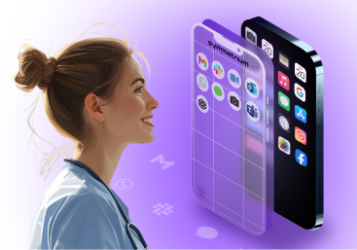
Symmetrium’s solution revolves around Virtual Mobile Devices (VMDs). These virtual devices operate entirely within the secure perimeter of an organization’s network, ensuring that no sensitive data is ever transferred to physical mobile devices. Instead, users access data through peer-to-peer encrypted streaming, allowing them to view and interact with information securely without leaving any data at rest on external endpoints.
Key Benefits of Symmetrium’s Zero-Trust Solution
- Enhanced Data Protection: By keeping all data within the organization’s network, Symmetrium eliminates the risk of data breaches stemming from lost or compromised mobile devices.
- Seamless Integration: Organizations can adopt VMDs without overhauling their existing infrastructure. Symmetrium’s solution integrates smoothly with current enterprise security protocols and IT systems.
- Reduced Compliance Risks: The ‘no data at rest’ methodology ensures compliance with stringent data protection standards like GDPR, HIPAA, and PCI DSS, reducing regulatory exposure.
- Real-Time Security: Peer-to-peer encrypted streaming ensures secure access, while real-time threat detection mechanisms identify and address vulnerabilities as they arise.
- Scalability: Symmetrium’s solution adapts to evolving organizational needs, accommodating new devices, users, and compliance requirements effortlessly.
In an era where mobile devices are indispensable, Symmetrium empowers organizations to manage security and compliance effectively. This helps businesses protect their data, meet regulatory requirements, and focus on innovation rather than security challenges.
Conclusion: Compliance Without Compromises
Mobile security compliance is a critical aspect of modern cybersecurity strategies. By understanding the risks, adopting compliance best practices, and leveraging robust security compliance frameworks, organizations can protect sensitive data and maintain regulatory compliance.
Symmetrium enables organizations to seamlessly implement a secure, complaint environment without impacting user productivity. Employees can continue to work efficiently, accessing the tools and data they need while the organization retains full control over data security and compliance.
As mobile technology continues to evolve, prioritizing compliance and security is not just a necessity — it’s a competitive advantage. Organizations that invest in strong mobile security measures will be better equipped to navigate the complexities of today’s digital landscape.
Discover why Symmetrium is the ideal solution for meeting mobile compliance regulations without impacting on productivity by scheduling a demo today.