Introduction
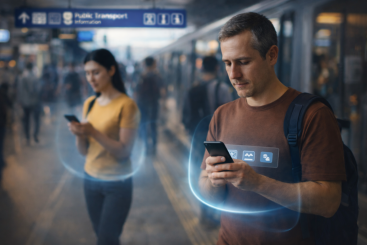
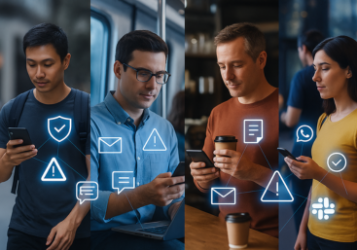
Mobile devices have become indispensable for modern business operations. Employees use smartphones and tablets to access corporate networks, communicate with clients, and manage sensitive information. While this improves productivity and flexibility, it also creates security vulnerabilities that traditional cybersecurity measures fail to address.
What is Data Loss Prevention (DLP)?
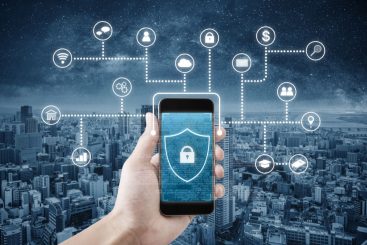
Data Loss Prevention (DLP) is a cybersecurity strategy designed to prevent unauthorized access, transfer, or leakage of sensitive business data. Traditional DLP solutions focus on securing networks, endpoints, and cloud storage, but mobile devices introduce unique risks that require a dedicated solution.
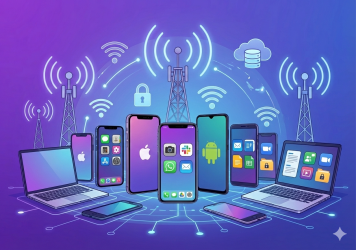
Unlike traditional systems, Mobile DLP extends protection directly to mobile devices, ensuring that sensitive business data remains secure no matter where or how it is accessed. In 2025, as businesses continue to embrace hybrid and remote work, Mobile DLP has become an essential part of corporate security strategies.
Why Mobile Devices Are the Weakest Link in Data Protection
The rise of mobile-first workplaces has introduced security risks that many companies are unprepared to handle. Employees access corporate applications, store sensitive files, and communicate critical business data using their mobile devices. However, these devices often lack the robust security controls found in traditional workstations, making them a prime target for cyber threats.
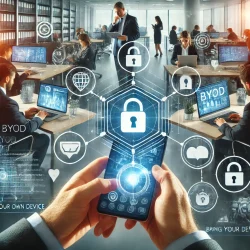
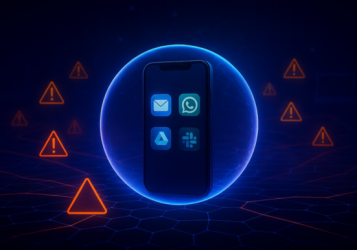
Many security breaches occur due to mobile vulnerabilities such as unsecured WiFi networks, unauthorized app usage, and lost or stolen devices. Cybercriminals frequently exploit mobile endpoints to gain access to business-critical data, bypassing traditional security measures. Moreover, personal devices used for work (BYOD) often remain outside the IT department’s visibility, making it difficult to enforce security policies.
Ignoring mobile security can result in severe financial and reputational damage. A data breach caused by a compromised mobile device could expose customer data, leading to regulatory fines under GDPR, HIPAA, and SEC compliance laws. Organizations must recognize that without Mobile DLP device control, their sensitive data remains vulnerable.
How Mobile DLP Differs from Traditional Data Loss Prevention Solutions
Traditional data loss prevention technology solutions were designed for a time when most business operations occurred within a controlled corporate environment. They focus on securing endpoints like desktops and laptops, scanning network traffic for unauthorized data transfers, and applying email security rules to prevent leaks. While these methods are effective for traditional IT environments, they fail to account for the unique risks posed by mobile devices.
Mobile DLP takes a different approach by ensuring data loss prevention device management with strict policies. This means it can restrict which applications can access corporate data, prevent unauthorized file transfers, and block risky actions like copying sensitive information to the clipboard. Unlike traditional DLP, which relies on network-based monitoring, Mobile DLP protects data at its source—the mobile device itself—regardless of where it is being accessed.
By implementing Mobile DLP, businesses can ensure that sensitive data remains protected even when employees work remotely or travel frequently. This approach is essential for enforcing a zero-trust security model, where all devices and users must be continuously verified before accessing corporate resources.
Why Mobile DLP is Becoming Crucial in 2025
The rapid evolution of cyber threats has made mobile security a top priority for organizations worldwide. The past few years have seen a dramatic rise in mobile-targeted phishing attacks, malware-laced applications, and sophisticated AI-driven cyberattacks. Cybercriminals recognize that mobile devices are often the weakest link in a company’s security infrastructure, making them an attractive target.
Beyond external threats, regulatory pressures are increasing. Industries such as healthcare, finance, and government services must adhere to strict data protection regulations. The SEC, for instance, has started enforcing stricter policies on unmonitored mobile communications, particularly in financial services. Organizations that fail to implement comprehensive mobile security measures risk non-compliance penalties and reputational harm.
To mitigate these risks, businesses are adopting zero-trust security models that assume all devices and users could be compromised. A Mobile DLP system plays a crucial role in this model by enforcing strict security policies on mobile devices, ensuring that only authorized users can access and manipulate sensitive data.
How Mobile Data Loss Prevention Works
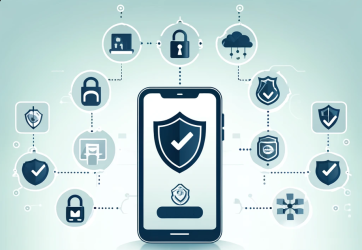
Mobile DLP operates at multiple layers to secure corporate data across mobile endpoints. It combines device management, application monitoring, and real-time security policies to prevent unauthorized access and data leakage.
One of the key features of Mobile DLP is policy-based data access. Organizations can define specific rules regarding who can access what data, under what conditions, and from which locations. For example, an employee working from an approved corporate network might have full access to files, while the same employee accessing data from an unknown WiFi network could have restricted permissions.
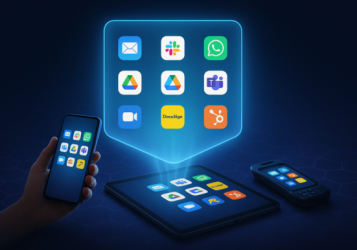
Another critical function of Mobile DLP is application-layer security. Unlike traditional endpoint security solutions, which focus on monitoring data transfers at a network level, Mobile DLP ensures that only approved applications can handle corporate data. This prevents unauthorized third-party apps from accessing sensitive business information.
Additionally, Mobile DLP incorporates clipboard and file-sharing restrictions. This feature prevents users from copying sensitive data to personal applications, taking screenshots, or sharing files via unauthorized cloud storage services. If a device is lost or stolen, remote lock and wipe capabilities ensure that corporate data is erased before it falls into the wrong hands.
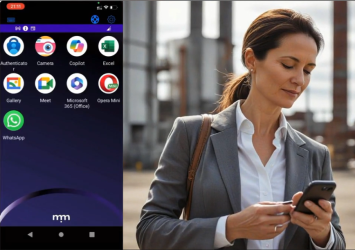
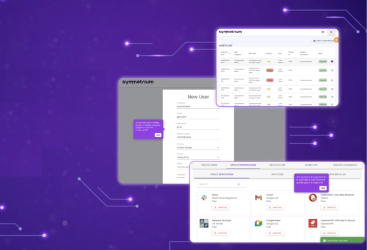
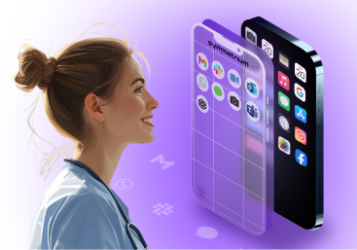
Symmetrium’s Mobile DLP solution is designed to integrate seamlessly into existing IT infrastructures. It enforces security policies without requiring cumbersome VPNs, ensuring a frictionless experience for employees while maintaining the highest security standards.
How Mobile DLP Transforms Data Security for Businesses
Businesses across industries are leveraging Mobile DLP to enhance data security and protect sensitive corporate assets. Here are a few key use cases:
Protecting Executive Communications
Executives handle highly sensitive business discussions that must remain confidential. Mobile DLP ensures that communication apps used by executives are secured against unauthorized access, preventing corporate espionage and data leaks.
Securing Remote and Field Workers
Organizations with remote teams, field technicians, or healthcare professionals need secure access to corporate resources from any location. Mobile DLP ensures that mobile employees can work efficiently without compromising data security. It enforces geofencing policies, restricting access from high-risk locations, and preventing data transfers over unsecured networks.
Preventing Insider Threats and Shadow IT Risks
Employees sometimes bypass official IT policies by using personal cloud storage or unauthorized messaging apps. This practice, known as Shadow IT, poses a significant security risk. Mobile DLP prevents unauthorized applications from accessing company data and restricts data-sharing capabilities to approved business applications only.
Conclusion: Mobile DLP is Essential for 2025
As businesses continue to embrace mobile-first operations, the need for Mobile DLP has never been greater. Traditional security approaches are no longer sufficient to protect sensitive business data from mobile-specific threats. Companies that fail to implement Mobile DLP risk data breaches, compliance violations, and reputational damage.
Symmetrium’s Mobile DLP solution offers a seamless, secure, and user-friendly way to enforce data security policies across all mobile devices. Whether your organization needs to protect executive communications, secure remote workers, or prevent insider threats, Mobile DLP is the key to maintaining a resilient security posture in 2025.
Don’t wait for a data breach to happen. Secure your mobile workforce today. Schedule a demo with Symmetrium now.