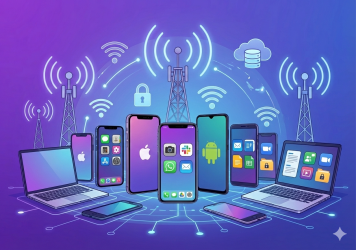
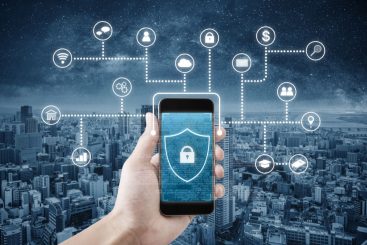
As remote and hybrid work environments become the norm, businesses must ensure that employees can securely access company resources from anywhere. Managing a fleet of remote devices presents unique challenges, from cybersecurity risks to compliance requirements and user experience concerns. Without the right remote device management (RDM) strategy, companies may struggle to maintain security while enabling employee productivity. This article explores the essentials of RDM, key challenges, and how businesses can strike the right balance between security and efficiency.
What is Remote Device Management?
RDM is the process of monitoring, securing, and maintaining devices used within an organization, whether they are company-owned or personal (BYOD). With the rise of remote work, businesses need a structured approach to ensure these devices remain secure while allowing employees to work efficiently.
RDM solutions give IT administrators the ability to configure security policies, track device usage, update software remotely, and restrict access to sensitive data. These solutions can range from a simple tracking system to a full-fledged device management application that includes security enforcement, real-time monitoring, and compliance reporting.
Organizations use RDM to prevent unauthorized access, enforce consistent security standards across devices, and ensure compliance with regulatory frameworks. Whether through proprietary platforms or open source remote device management tools, businesses must carefully choose the right solution based on their needs.
Challenges in Managing Remote Devices
As businesses embrace remote and hybrid work models, they face an array of challenges in securing, monitoring, and managing distributed devices while ensuring compliance and operational efficiency.
Security Vulnerabilities
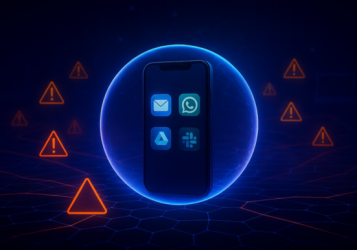
When employees work remotely, their devices often connect to public or unsecured networks, exposing corporate data to cyber threats. Without a strong RDM strategy, businesses face risks such as phishing attacks, malware infections, and unauthorized access. IT teams need visibility into every device accessing the corporate network to mitigate these risks effectively. Additionally, cybercriminals increasingly target remote devices, knowing that they often have weaker security controls compared to on-premise systems. Organizations must deploy proactive security measures, such as endpoint detection and response (EDR), to reduce the attack surface and quickly address threats.
Compliance and Regulatory Challenges
Industries such as finance, healthcare, and government require strict compliance with data security regulations. Ensuring that all devices meet these regulatory standards is a challenge, especially when employees use personal devices for work. Businesses must implement RDM solutions that enforce policies in line with GDPR, HIPAA, and industry-specific requirements. Furthermore, auditing and reporting become complex in remote environments. Without centralized monitoring tools, it can be difficult to prove compliance during audits. Companies must adopt RDM solutions that offer automated compliance tracking, logging, and real-time reporting to meet regulatory obligations effectively.
Balancing Security with User Experience
If security measures are too restrictive, employees may seek workarounds, such as using personal email or unauthorized cloud storage services. These shadow IT practices can compromise security while making compliance difficult. The challenge for businesses is to enforce security controls that do not disrupt productivity. A poorly designed RDM strategy can frustrate employees, leading to resistance in adopting security best practices. To avoid this, organizations should focus on intuitive security solutions that integrate seamlessly with workflows. Features such as biometric authentication, single sign-on (SSO), and automated security patches can enhance security without burdening employees with extra steps.
Device Diversity and Management Complexity
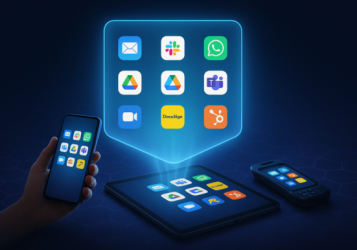
Employees use a mix of company-issued laptops, personal mobile devices, and tablets. Managing various operating systems and ensuring security across different platforms complicates IT operations. An effective RDM solution should support all devices in an organization while keeping administrative overhead minimal. Additionally, IT teams must ensure that every device is updated and patched regularly, as outdated software can create vulnerabilities. The complexity increases when integrating legacy systems with modern security protocols. Businesses must choose RDM solutions that offer cross-platform compatibility, automated patch management, and unified security policies to streamline device administration across all endpoints.
Balancing Security and Productivity in Remote Device Management
As remote work expands, organizations must enforce strong security without disrupting productivity. While traditional security measures can slow workflows and lead to risky workarounds, in this section we explore strategies that can help achieve the necessary balance.
Zero-Trust Security Model
A zero-trust approach assumes that no device or user is inherently trustworthy. Every login attempt and device connection must be verified before granting access to corporate systems. Organizations should implement multi-factor authentication (MFA), endpoint verification, and strict access controls to minimize security risks. This model is particularly useful for remote environments where IT teams have less direct control over the devices employees use.
AI-Powered Security and Threat Detection
Modern RDM solutions use artificial intelligence to detect unusual behavior, such as unauthorized access attempts or abnormal data transfers. AI-driven security tools can automatically respond to potential threats by locking compromised accounts, issuing alerts, or quarantining suspicious files before they spread. AI also plays a role in predictive security, identifying vulnerabilities before they are exploited and allowing IT teams to take preemptive measures.
Secure Access Without VPNs
Virtual Private Networks (VPNs) have long been the standard for secure remote access, but they often introduce latency and usability issues. Many employees find VPNs slow and unreliable, leading them to disable them when they become an obstacle to productivity. Advanced RDM platforms now offer alternatives, such as IP-layer security and zero-trust network access (ZTNA), which provide seamless, secure connections without the need for cumbersome VPN configurations. This allows employees to work efficiently without compromising security.
Role-Based Access Control (RBAC)
Not all employees need the same level of access to company data. With role-based access control, businesses can assign specific permissions based on an employee’s role within the organization. This prevents unnecessary data exposure and limits potential security breaches. Implementing RBAC also makes compliance easier by ensuring that only authorized personnel have access to sensitive information, reducing the risk of accidental or intentional data leaks.
Network and WiFi Security Policies
Employees working remotely often connect to various networks, some of which may not be secure. Organizations can enforce security policies that require devices to connect only to trusted WiFi networks or use mobile threat detection tools to identify and prevent risky network connections. Implementing automated security checks before allowing network access ensures that employees are using safe environments, preventing potential breaches from unsecured public networks.
Advanced Features of Symmetrium’s Remote Device Management Solution
Symmetrium’s advanced remote device management features provide robust security while ensuring a seamless user experience, eliminating common pain points like data exposure, complex VPN setups, and restrictive access controls.
Virtual Mobile Devices for Secure Workspaces
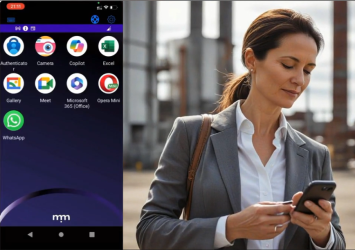
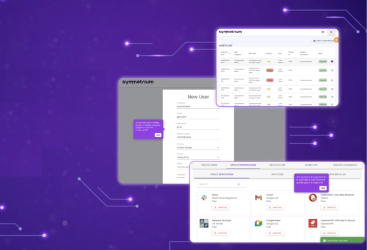
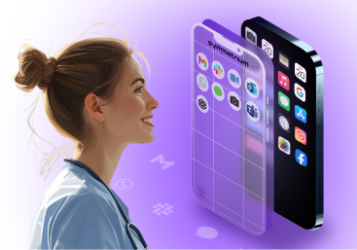
Symmetrium offers virtual mobile workspaces, allowing organizations to manage virtual mobile devices securely. This ensures employees have seamless access to corporate applications while leveraging remote device management software to streamline IT administration and enforce security policies. Additionally, it protects personal data and eliminates the need for device-level modifications. This approach maintains strong security while respecting employee privacy. The virtual workspace is fully isolated from the personal environment of the device, ensuring that no cross-contamination of corporate and personal data occurs. Additionally, IT teams can dynamically configure access permissions, revoke access instantly when needed, and enforce security policies in real-time without disrupting user workflows.
No Data Stored on Devices
One of the core features of Symmetrium’s RDM solution is its no data at rest policy. Unlike traditional remote device management (RDM) tools that store corporate data on endpoints, Symmetrium ensures that no sensitive information is physically stored on the device. This eliminates the risk of data leaks due to lost or stolen devices. By keeping data within secure cloud environments or corporate infrastructure, organizations can maintain control over sensitive information without relying on endpoint security measures that may be vulnerable to attacks.
IP-Layer Security: Simplifying and Strengthening Mobile Access
Symmetrium’s IP-layer security redefines how organizations control mobile access, eliminating the need for cumbersome VPN configurations. Instead of securing individual mobile devices, Symmetrium assigns static IP addresses to Virtual Mobile Devices (VMDs) within the corporate network. When a mobile device connects, it inherits the security posture of the organization, ensuring access control at the network level.
By restricting access to a limited set of static IPs, IT teams can prevent unauthorized connections and enforce least-privilege access. Unlike traditional solutions that focus on securing endpoints, this network-centric approach keeps corporate data within protected environments while allowing seamless access for authorized users.
Symmetrium’s web filtering at the IP layer enables security teams to control access to specific websites, ensuring that work-related and personal activities remain separate. Unlike traditional VPN and DNS solutions, which capture all browsing data and pose privacy concerns, Symmetrium ensures that employees retain full privacy for personal activities while IT maintains complete oversight of corporate data usage.
By integrating IP-layer security with existing enterprise frameworks, organizations can implement a true zero-trust model without disrupting productivity. This approach ensures that mobile devices accessing corporate data remain secure, regardless of the employee’s physical location, offering stronger security with simplified management.
Mobile Threat Defense
Symmetrium detects and mitigates threats in real time. Features such as jailbreak detection, rooting prevention, and automated security updates ensure that remote devices remain protected from emerging cyber threats. If an unauthorized modification is detected, Symmetrium can automatically quarantine the device, notify IT administrators, and restrict access to corporate systems. Additionally, continuous monitoring of device health and security posture allows businesses to proactively address vulnerabilities before they are exploited by malicious actors.
Native User Experience Without Friction
Unlike traditional MDM solutions that may slow down devices or disrupt workflows, Symmetrium prioritizes a seamless, native mobile experience. Employees can securely access work applications without dealing with complex login procedures or restrictive security policies. The intuitive design of the platform ensures that security measures are applied without hindering productivity. By integrating security seamlessly into the background, employees can focus on their work without being bogged down by cumbersome security protocols, creating a frictionless remote work experience.
Conclusion
Remote device management is essential for businesses looking to secure their data while supporting a modern, flexible workforce. However, security should not come at the cost of productivity. The right RDM solution balances protection with ease of use, ensuring that employees can work efficiently without introducing security risks.
Challenges like cybersecurity threats, compliance demands, and device diversity make it difficult for IT teams to manage remote devices effectively. Without the right approach, businesses risk exposing sensitive data, facing regulatory fines, and disrupting employee workflows.
Striking a balance between security and productivity is critical. Overly restrictive policies can lead to workarounds that compromise security, while too much flexibility can leave an organization vulnerable. A well-designed RDM solution must offer robust security features while allowing employees to perform their tasks without unnecessary obstacles.
Symmetrium provides a streamlined, zero-trust RDM platform that eliminates unnecessary complexity while maintaining strict security controls. With advanced features such as no data at rest, virtual mobile devices, and IP-layer security, organizations can manage remote devices effectively without compromising usability.
Businesses seeking a scalable, secure, and compliant remote device management solution should explore how Symmetrium can simplify IT operations while strengthening their security posture.
To learn more about how Symmetrium can secure your enterprise devices, or book a demo today.