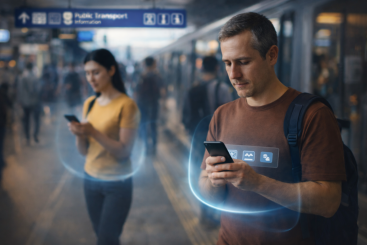
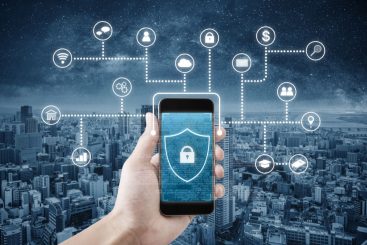
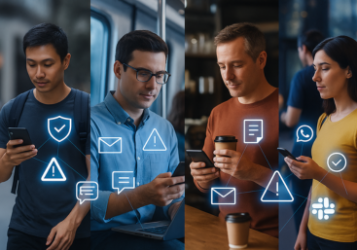
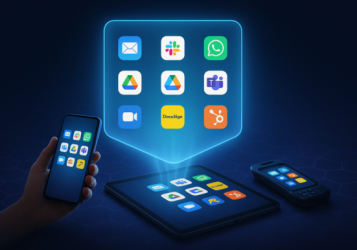
Mobile devices provide employees with the flexibility to work from anywhere, enhancing productivity and communication. However, this increased reliance on mobile technology also introduces significant security risks and an ever growing attack surface. As mobile devices become more integral to business operations, they simultaneously become prime targets for cybercriminals.
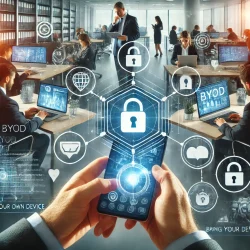
Corporate IT security solutions, traditionally designed to protect desktop environments and centralized networks, often fall short when it comes to mobile security. The unique challenges posed by mobile devices — including diverse operating systems, varied applications, and constant connectivity to different networks — create a complex and often vulnerable ecosystem. This complexity is exacerbated by the proliferation of Bring Your Own Device (BYOD) policies, which blur the lines between personal and corporate device use, further complicating security efforts.
As a result, organizations face significant risks, including data breaches, financial losses, and reputational damage.
Complexity of Mobile Ecosystems Has Blurred the Corporate Perimeter
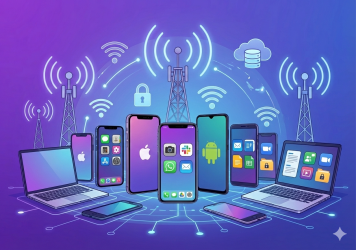
The complexity of mobile ecosystems is a significant factor contributing to the vulnerability of corporate IT security solutions. This complexity arises from the diverse interactions between mobile devices, applications, networks, and cloud services. Understanding these interactions is crucial for developing effective security measures. Here are several key aspects of this complexity:
- Diverse Operating Systems and Devices
Mobile ecosystems encompass a wide range of devices running different operating systems, primarily iOS and Android. Each operating system has its own architecture, security protocols, and update mechanisms. This diversity makes it challenging to implement uniform security policies and solutions across all devices. For instance, Android devices are particularly fragmented, with many versions and customizations, leading to inconsistent security patch applications and vulnerabilities.
- Variety of Applications
The vast number of applications available for mobile devices further complicates security. Each app may have different permissions, data access requirements, and potential vulnerabilities. Ensuring that all apps are secure and do not pose risks to corporate data is a daunting task. Malicious applications can exploit weaknesses in the system or gain access to sensitive data, either through direct attacks or by manipulating legitimate apps.
- Network Interactions
Mobile devices frequently connect to various networks, including corporate Wi-Fi, public Wi-Fi, and cellular networks. Each type of network connection has its own security challenges. Public Wi-Fi networks, in particular, are notorious for their lack of security, making devices susceptible to man-in-the-middle attacks and other threats. Ensuring secure connections across all these networks is critical but difficult to manage.
Increasing Sophistication of mobile threats
The sophistication of mobile threats has dramatically increased, posing significant challenges to corporate IT security solutions. Cybercriminals are leveraging advanced techniques to exploit mobile devices, making traditional security measures inadequate. Here are some of the most sophisticated threats facing mobile ecosystems today:
- Spyware
Spyware can be particularly damaging in corporate environments, where it can lead to significant data breaches and intellectual property theft. Examples of sophisticated spyware include Pegasus and FinFisher, which can infiltrate devices through seemingly legitimate applications and remain hidden while exfiltrating data.
- Phishing and Smishing
Phishing attacks exploit the trust users place in their mobile devices, sending messages that appear to be from legitimate sources such as banks, service providers, or colleagues. These messages often contain links to malicious websites or attachments that install malware on the device.
- Exploits and Zero-Day Vulnerabilities
Zero-day vulnerabilities are previously unknown flaws in software or hardware that can be exploited by attackers before they are patched by the manufacturer. These vulnerabilities can be used to gain unauthorized access, install malware, or extract sensitive data, often bypassing traditional security defenses.
The New Era of Mobile Threats Needs Something Different
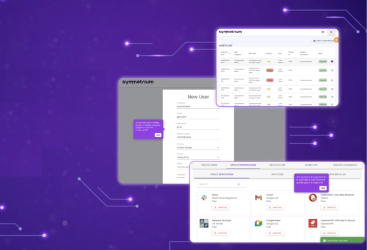
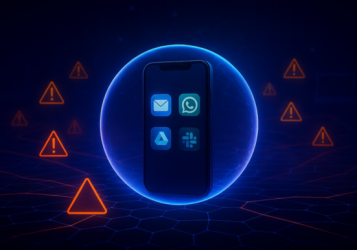
Traditional security solutions often focus on securing devices, but when data travels outside of the corporate network and rests on mobile devices it becomes highly vulnerable. Symmetrium offers a robust solution by creating a true zero-trust environment for your data, where no device is inherently trusted, and no data leaves the security of the corporate network.
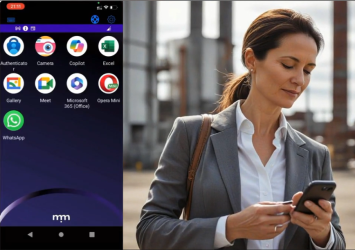
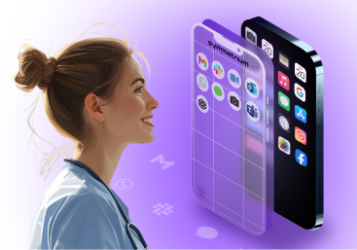
This is achieved using virtual mobile devices (VMDs) that remain within the organization’s network perimeter. Authorized users access data through peer-to-peer encrypted streaming, ensuring that data is viewed securely without being transferred to external devices. This innovative approach effectively turns all mobile devices into secure virtual extensions of the organization’s network, ensuring compliance, security, and adherence to IT protocols.
Symmetrium integrates easily with an organization’s existing infrastructure, enabling a smooth transition to a secure zero-trust environment without requiring a complete technology overhaul. Organizations can thus maintain their current enterprise security protocols while effectively protecting data and resources. This robust security model empowers a mobile workforce while keeping data secure and safe, allowing businesses to thrive in a dynamic, mobile-centric environment.
Book a demo to discover how Symmetrium can safeguard your organization against the rise of mobile security threats.