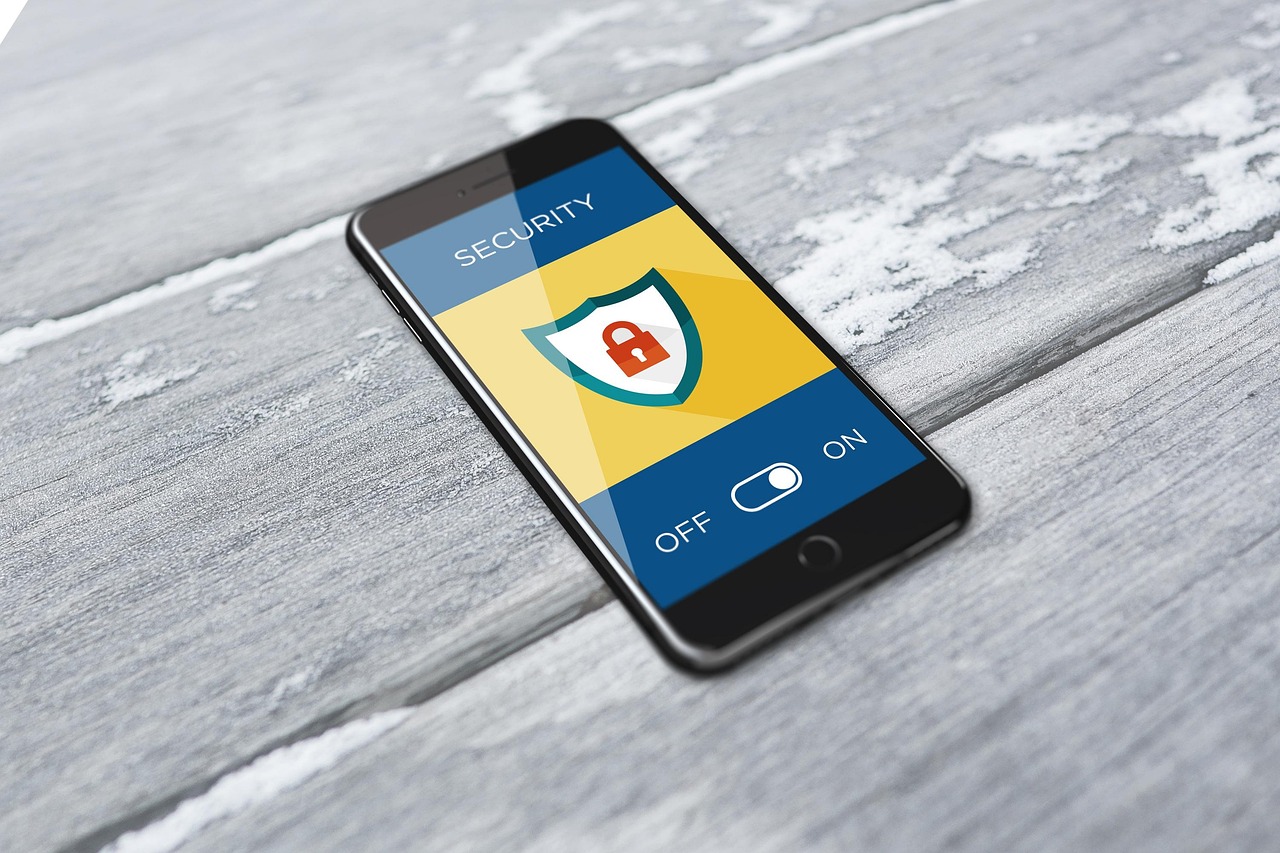
Enterprise Mobile Device Management (MDM) is essential in modern workplaces where employees rely on mobile devices to stay productive. As businesses embrace hybrid and remote work environments, the number of connected enterprise devices continues to grow, making security and management more complex. Without a structured enterprise device management strategy, organizations face increased risks such as data breaches, compliance violations, and insider threats.
Unmanaged enterprise devices can serve as entry points for cybercriminals, leading to unauthorized access, data exfiltration, and costly security incidents. Insider threats, whether intentional or accidental, can further expose businesses to data leaks and regulatory non-compliance. Companies operating in regulated industries such as finance, healthcare, and government sectors must comply with strict security and data protection laws like GDPR, HIPAA, and SEC regulations to avoid fines and reputational damage.
A well-implemented enterprise mobile device management (EMDM) solution ensures device security, compliance enforcement, and productivity optimization. By using automated policy enforcement, remote monitoring, and zero-trust frameworks, organizations can safeguard sensitive data while enabling employees to work securely from any location. This guide explores core strategies, security challenges, and how Symmetrium’s enterprise device management solution can provide comprehensive protection.
Why is Enterprise Mobile Device Management Critical for Security?
As enterprises become increasingly reliant on mobile and endpoint devices, the security landscape grows more complex. This section explores the key challenges that make enterprise mobile device management (EMDM) critical, from expanding attack surfaces and evolving compliance requirements to the adoption of zero-trust security models and the growing threat of mobile-targeted cyberattacks.
Growing Attack Surface
The proliferation of enterprise mobile device management tools has been driven by the need to manage an expanding ecosystem of mobile and endpoint devices. Each device connected to the corporate network represents a potential vulnerability, making EMDM a key priority for security teams.
With the rise of remote work and bring-your-own-device (BYOD) policies, businesses must enforce stricter security controls to prevent cybercriminals from exploiting unprotected endpoints. Mobile devices can be compromised through phishing attacks, unsecured networks, or malware infections, making proactive security measures essential. Implementing EMDM provides real-time device monitoring, automated policy enforcement, and anomaly detection to protect enterprise networks from security threats.
Compliance and Regulatory Requirements
Many industries require strict adherence to compliance standards such as GDPR, HIPAA, and SEC regulations. Effective enterprise mobile device management software helps enforce policies that protect sensitive data and ensure regulatory compliance.
Regulatory bodies demand stringent security practices to protect personally identifiable information (PII) and prevent unauthorized access. Organizations that fail to comply risk severe fines and reputational damage. By deploying EMDM solutions, businesses can automate compliance reporting, enforce access controls, and streamline regulatory audits while maintaining a secure and organized mobile device ecosystem.
Data Protection and Zero Trust
Adopting a zero-trust security framework means verifying every device and user before granting access. Enterprise device management software plays a crucial role in enforcing zero-trust policies, securing sensitive data, and reducing unauthorized access risks.
Traditional security models that rely on perimeter-based protection are no longer sufficient. Zero-trust architecture ensures that only authorized users and devices can access critical enterprise resources, reducing the risk of insider threats and credential-based attacks. EMDM enables granular access control, continuous authentication, and encrypted data storage, reinforcing enterprise security at every level.
Mobile-Specific Threats
Cyber threats targeting mobile and enterprise devices include malware, phishing attacks, unsecured public WiFi risks, and device theft. A robust enterprise mobile device management strategy helps mitigate these risks through policy enforcement, monitoring, and encryption.
As cybercriminals develop more sophisticated attack vectors, mobile devices remain a prime target for exploits. Organizations must deploy AI-driven threat detection, behavioral analysis, and endpoint encryption to counteract emerging threats. Comprehensive EMDM solutions provide multi-layered protection, ensuring that enterprise data remains secure even in high-risk scenarios.
Core Strategies for Effective Enterprise Mobile Device Management
Device Visibility & Inventory
Keeping track of all connected devices is essential for identifying unauthorized access and managing security risks. Device management software provides real-time visibility into the device landscape.
A well-structured inventory system enables IT administrators to monitor device compliance, detect anomalies, and take immediate action against unauthorized access. Organizations can implement automated asset tracking, device tagging, and security event logging to strengthen their EMDM strategy.
Role-Based Access Controls (RBAC)
Organizations must implement role-based access controls (RBAC) to ensure that employees only have access to the data and applications necessary for their roles. This minimizes the risk of insider threats and data exposure.
By segmenting access permissions based on job roles, businesses can prevent data breaches caused by privilege misuse. Fine-grained access controls, biometric authentication, and real-time session monitoring add an extra layer of security, ensuring that sensitive data remains protected from unauthorized users.
Secure Authentication & Biometric Access
Strong authentication methods such as multi-factor authentication (MFA) and biometric login (fingerprint or facial recognition) enhance security by preventing unauthorized access.
Combining MFA with contextual authentication ensures that only verified users can access corporate systems. Features like geofencing, adaptive authentication, and AI-driven risk assessment further enhance mobile security, reducing the likelihood of credential theft and unauthorized access attempts.
Remote Management & Wipe Capabilities
Enterprises should be able to remotely lock, track, or wipe devices in case of theft or loss. This ensures that even if a device is compromised, corporate data remains secure.
By leveraging remote management features, IT teams can enforce instant security protocols, revoke access, and delete sensitive data from compromised devices. Automated incident response and endpoint recovery options further reduce downtime and data loss risks.
Enforcing Network & Application Policies
IT teams should enforce strict policies to prevent the installation of unauthorized applications and restrict access to unsecured networks. Enterprise mobile device management solutions allow for policy automation and enforcement.
By implementing app whitelisting, network segmentation, and VPN enforcement, organizations can reduce attack surfaces and prevent malicious applications from compromising mobile endpoints. Policy-based controls ensure that only approved applications and networks are used for enterprise operations.
Zero Trust & No Data at Rest
A next-gen approach to EMDM involves zero trust architecture combined with a no-data-at-rest policy. This ensures that even if a device is lost or stolen, no sensitive data is stored locally, reducing the risk of breaches.
Preventing data from being stored on endpoint devices eliminates risks associated with device theft, malware, and unauthorized access. Enforcing cloud-based encrypted storage and implementing ephemeral data access further enhances security, ensuring that corporate information is never at risk.
Common Challenges in Managing Enterprise Devices
Shadow IT & Unapproved Devices
Employees frequently use personal or unauthorized devices for work, creating security vulnerabilities and compliance risks. These “shadow IT” devices often bypass official security protocols, making them difficult to monitor and protect. Without proper oversight, sensitive corporate data can be accessed through unvetted apps or compromised networks. In industries where compliance is crucial, such as finance and healthcare, unapproved devices can lead to severe regulatory penalties. Enterprise device management solutions must detect and manage unauthorized devices, enforce strict enrollment policies, and ensure that only approved endpoints connect to company resources. Implementing network access controls (NAC) and endpoint detection tools can further minimize these risks.
Balancing Security & User Experience
Strict security policies are essential but can sometimes hinder productivity. Employees may resist complex authentication procedures or find restrictions on device usage frustrating, leading to workarounds that compromise security. Striking the right balance requires seamless security measures such as biometric authentication, single sign-on (SSO), and automated compliance enforcement. Security solutions should incorporate adaptive authentication techniques that adjust requirements based on user behavior and risk level. By implementing security that integrates smoothly with workflows, organizations can protect data without disrupting employee efficiency. User education and clear communication about security policies also help ensure smoother adoption of security measures.
Evolving Cyber Threats
Cyber threats continue to evolve, with advanced persistent threats (APTs), zero-day exploits, and mobile-targeted malware becoming increasingly sophisticated. Attackers exploit vulnerabilities in mobile applications, unsecured WiFi networks, and phishing schemes to infiltrate enterprise systems. The rise of deepfake phishing attacks and AI-powered cyber threats further complicates security efforts. Organizations must adopt proactive security strategies, including AI-driven threat detection, continuous monitoring, and real-time security updates. Security teams should leverage threat intelligence feeds and automated incident response mechanisms to detect and neutralize threats before they cause significant damage. Conducting regular penetration testing and red team exercises can further strengthen resilience.
Scalability Issues
Managing enterprise devices across multiple locations and large workforces presents scalability challenges. IT teams need centralized, cloud-based management platforms that allow for remote policy enforcement, real-time monitoring, and bulk configuration updates. As businesses expand, ensuring uniform security standards and compliance across thousands of devices becomes critical. Enterprise device management solutions with automation capabilities can streamline provisioning, security patching, and access control to maintain a secure and scalable infrastructure. Leveraging AI-powered automation for threat detection and device management ensures that security scales efficiently with business growth. Additionally, integrating mobile device management (MDM) and unified endpoint management (UEM) solutions helps organizations maintain consistent security policies across all endpoints.
Leveraging Symmetrium for Comprehensive Enterprise Device Security
Symmetrium provides a zero-trust mobile security solution that secures enterprise devices without relying on VPNs, MDMs, or storing data on endpoints. Instead of traditional device-based security models, Symmetrium enables secure, temporary access to corporate resources, ensuring that no data is ever at rest on mobile devices. By offering native user experience, automated compliance enforcement, and centralized oversight, Symmetrium protects organizations from data leaks, unauthorized access, and regulatory risks, all while maintaining seamless productivity for employees.
Native User Experience, Zero Complexity
Symmetrium secures enterprise devices while maintaining a seamless user experience. Unlike traditional security solutions that introduce friction into daily workflows, Symmetrium operates natively within existing device environments, eliminating the need for additional apps or complex authentication steps. Employees can access corporate resources without disruptions, while IT teams ensure security remains intact. By prioritizing ease of use, Symmetrium enhances productivity while maintaining enterprise-grade security.
No Data at Rest = No Data at Risk
A fundamental advantage of Symmetrium’s approach is its no-data-at-rest policy. Traditional mobile security solutions store sensitive information locally, increasing the risk of data breaches if a device is lost or compromised. Symmetrium mitigates this risk by ensuring that corporate data remains encrypted and accessible only through secure, ephemeral sessions. This approach significantly reduces the attack surface, ensuring that stolen or misplaced devices do not pose a security threat.
Enterprise-Level Security Without VPNs
Many enterprises rely on VPNs to secure mobile access, but VPNs introduce performance bottlenecks and potential security vulnerabilities. Symmetrium eliminates the need for VPNs by establishing direct, secure, and encrypted connections between mobile devices and corporate resources. This not only enhances security by reducing VPN-based attack vectors but also improves connection speed and reliability, ensuring employees can work efficiently without cumbersome configurations.
Seamless Compliance
Regulatory compliance is a top priority for enterprises operating in finance, healthcare, and other highly regulated industries. Symmetrium automates compliance with GDPR, HIPAA, and financial industry regulations by enforcing strict access controls, encrypting sensitive data, and maintaining audit-ready logs. Organizations can ensure they meet compliance requirements without manual intervention, reducing the risk of fines and reputational damage while simplifying security governance.
Centralized Management & Oversight
Symmetrium provides a unified management platform that offers real-time oversight of all enterprise devices. IT administrators can enforce security policies, monitor device activity, and respond to threats—all from a single, cloud-based dashboard. Automated security updates, remote device control, and comprehensive reporting ensure organizations maintain consistent protection across their entire mobile ecosystem. This centralized approach enhances operational efficiency while strengthening overall security posture.
The Future of Enterprise Device Security
As enterprises continue to embrace mobile work environments, enterprise mobile device management has become a critical component of modern security strategies. Without proper oversight, unmanaged devices introduce security risks, regulatory challenges, and operational inefficiencies. Implementing a zero-trust, no-data-at-rest approach ensures that corporate data remains secure while enabling seamless, compliant, and productive workflows.
Symmetrium offers a comprehensive, frictionless solution for enterprise device security, eliminating common challenges such as VPN dependency, data exposure risks, and complex compliance requirements. With automated policy enforcement, centralized oversight, and a seamless user experience, organizations can protect their mobile ecosystems without compromising productivity.
To learn more about how Symmetrium can secure your enterprise devices, or book a demo today.